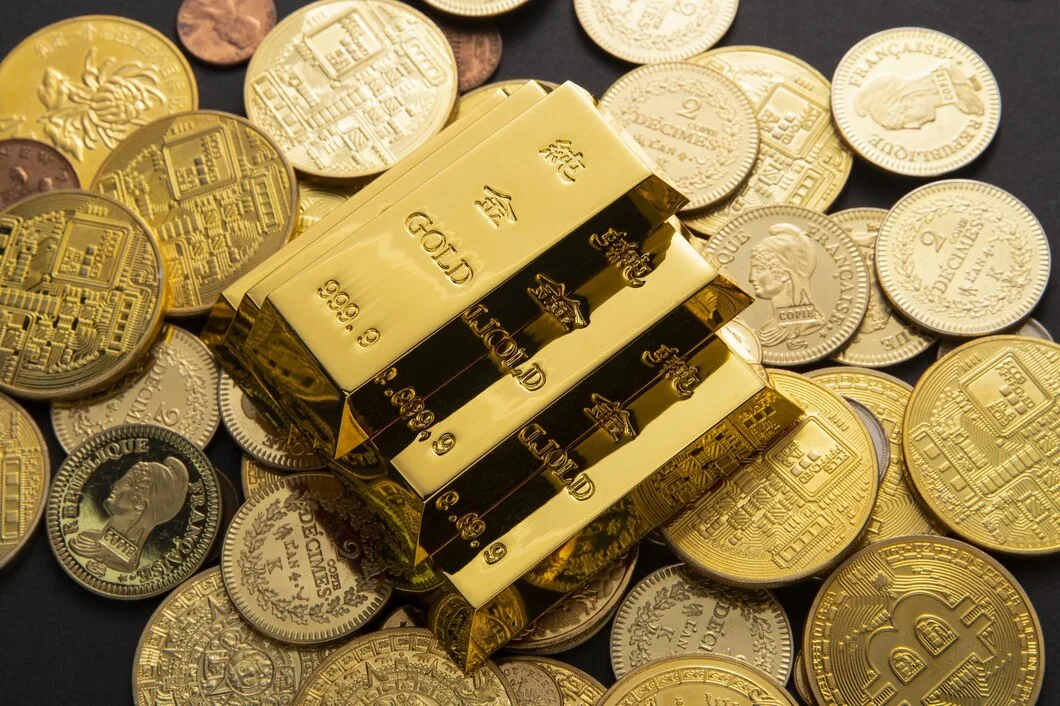

Gold has always been the top choice for Indian investors, even though its rates keep shifting. There are times when prices shoot up fast, and phases where they drop down. To navigate this, you just need to know what drives these ups and downs. Keeping a regular check on the current Gold Price and looking back at the Gold Price History in India is the easiest way to make smart investment choices.
What Determines Gold Prices in India?
Gold prices in India fluctuate daily. Several factors both direct and indirect influence these rates.
International Gold Prices: India sources the majority of its gold from abroad. Consequently, when gold prices rise in the international market, the impact is reflected in the Indian market as well.
Dollar vs. Rupee: Gold is traded globally in US dollars. If the rupee weakens against the dollar, importing gold becomes costlier for India, potentially driving up prices.
Import Duty and Taxes: Import duties and GST levied on gold play a crucial role in determining its price. Changes in these levies by the government directly affect gold rates.
Festival and Wedding Demand: Gold purchases in India surge during festivals and the wedding season. High demand can lead to a rise in prices.
Inflation and Economic Conditions: Rising inflation or economic uncertainty often drives people toward gold as a safe investment. This increased demand can push prices higher.
Central Bank Buying: Many central banks worldwide purchase gold to bolster their reserves. Such buying activity can provide support to global gold prices.
Why Do Gold Prices Rise?
When everyone rushes to buy gold as a safe option, prices naturally jump. Here is why this happens
Rising Inflation: When inflation goes up, cash loses its value. Investors quickly buy gold to protect their savings, and this sudden demand drives prices up.
Economic Uncertainty: The moment people worry about the economy or a recession, they stop taking risks with stocks and switch over to gold for safety.
Global Conflicts: Wars, trade fights, or international tensions freak the markets out. In times of chaos, gold becomes the go-to choice for everyone.
Central Bank Buying: When big central banks start hoarding more gold for their reserves, market supply shrinks, which directly pushes the prices higher.
Weakening Rupee: India imports most of its gold. So, if the rupee falls against the dollar, importing gets pricier, making gold expensive in our local market.
Investment Rush: If investors feel prices will climb soon, they start buying up everything Gold ETFs, funds, and physical gold. This mass buying gives prices a solid boost.
Why Do Gold Prices Fall?
Gold prices do not always rise. Under certain circumstances, demand for gold declines, which can exert downward pressure on prices.
Rising Interest Rates: When central banks raise interest rates, investments such as fixed deposits and bonds become more attractive. Consequently, some investors shift funds away from gold toward these other options.
Strong Stock Market Performance: When the stock market performs well, investors increase their equity investments in anticipation of better returns. This can lead to reduced demand for gold.
Stronger US Dollar: Look, if the US dollar goes up, international gold gets pricey. It’s that simple. Buyers instantly back off, and that slows down the whole market.
When Buying Stops: If investors lose interest and just stop purchasing gold, the demand falls flat. With zero buying pressure, prices are bound to slide down.
Good Economy: When everything is going great with the economy, nobody really cares about safe assets like gold. Investors jump straight into risky, high-growth stocks instead, which leaves gold completely ignored.
Profit Booking by Investors: Often, after a significant rally in prices, investors begin to book profits. Large-scale selling can result in a temporary decline in gold prices.
Gold Price History in India
If you check Gold Price History in India, one thing is clear despite the ups and downs, the long-term trend has always been up.
Around ₹4,400 back in 2000: Two decades ago, 10 grams of 24-carat gold cost just ₹4,400. Back then, it wasn’t a massive trading asset; families just bought it for weddings or basic home savings.
Hit nearly ₹18,500 by 2010: Within ten years, prices basically multiplied by four. Why? The 2008 global financial crash freaked everyone out, making people dump cash into gold.
Passed ₹50,000 in 2020: When COVID-19 hit and markets went into a total meltdown, investors panicked and looked for a safe place to park their money. That push sent gold past the 50k mark.
Touched ₹78,000 in 2024: A mix of global wars, heavy buying by central banks, and huge local demand smashed all previous records, bringing it close to ₹78,000.
Crossed ₹1 Lakh in 2025-26: Recently, the price did the unthinkable and crossed the ₹1 lakh milestone for the first time ever. It just goes to show that over time, gold always keeps your wealth safe.
Understanding Gold Price in Delhi and Why It Matters
Delhi is a massive hub for the gold market, which is why buyers, jewelers, and investors keep a constant eye on the daily rates here. Keeping track of Gold Price in Delhi is the easiest way to understand the current market mood and figure out the right time to make your purchase.
Delhi Is a Major Gold Trading Hub: A large number of bullion traders and jewelry businesses operate in Delhi. For this reason, the city’s gold rates are often regarded as a key market indicator.
Prices Can Differ From Other Cities: Variations in gold rates between Delhi and other cities may occur due to factors such as local demand, transportation costs, and jeweler charges.
Useful for Tracking Market Trends: Monitoring gold rates in Delhi helps gauge whether the market is bullish or if prices are softening.
Important for Gold Buyers: For those planning to purchase gold whether for jewelry or investment gold prices in Delhi serve as a useful reference point.
Helps in Better Purchase Planning: By understanding price trends, buyers can plan their purchases more effectively and avoid buying when prices have spiked unexpectedly.
Gold vs Other Investment Options During Market Uncertainty
Different investment options perform differently during times of market uncertainty. Therefore, it is important to understand the distinctions between them.
Gold vs. Stocks
The stock market offers the potential for higher returns but also entails greater volatility. In contrast, many investors view gold as a safe haven during turbulent times.
Gold vs. Fixed Deposits
Returns on Fixed Deposits (FDs) are predetermined, but growth potential is limited. Gold prices fluctuate with market conditions, meaning returns can vary.
Gold vs. Real Estate
Real estate investment requires a substantial amount of capital. In comparison, one can start investing in gold with a much smaller amount.
Gold’s Role in a Portfolio
While gold is not the only investment option, it can help balance a portfolio, especially when other assets are experiencing high volatility.
Invest Across Asset Classes With Pocketful
With Pocketful, you can invest not only in Gold ETFs but also in stocks, ETFs, and mutual funds. This makes it easy to build a well-diversified portfolio by investing across various asset classes.
Common Myths About Gold Price Movements
We all hear random stuff about gold that sounds totally legit but is actually just wrong. Before you invest even a single rupee, you really need to look at the facts and bust these common myths:
Myth: Gold rates only move one way up.
Reality: Look, gold is amazing for long-term growth, but it won’t climb every single year. It hits rough patches and drops more often than people think.
Myth: Prices only spike during wars or big crises.
Reality: Global tension matters, but local things like a weak rupee, changing interest rates, and basic market demand also change the prices.
Myth: You can never lose money in gold.
Reality: It is definitely a safe option, but if you buy at a peak and sell at the wrong time, you can still face a loss.
Myth: You must track the daily rate constantly.
Reality: Daily ups and downs don’t matter much. It is way better to focus on the bigger, long-term market trend.
Myth: Putting all your cash into gold is smart.
Reality: Gold is great for protecting wealth, but putting 100% of your savings into just one asset is never a wise move.
Conclusion
At the end of the day, gold rates move because of a mix of local and global shifts. So, instead of stressing over random market rumors or daily price jumps, you are much better off looking at the bigger picture and investing based on solid facts for the long run.
FAQs
Q1. What causes gold prices to rise in India?
Inflation, increasing demand, and global uncertainty can drive up gold prices.
Q2. Why do gold prices fall?
Gold prices can fall when interest rates rise and demand decreases.
Q3. Why is the Gold Price in Delhi important?
It is one of the major gold markets in the country, so many people monitor its rates.
Q4. What is Gold Price History in India?
This is a record of gold prices in India over the past years, which helps understand trends.
Q5. Does inflation increase gold prices?
Often, when inflation increases, both the demand and price of gold can increase.