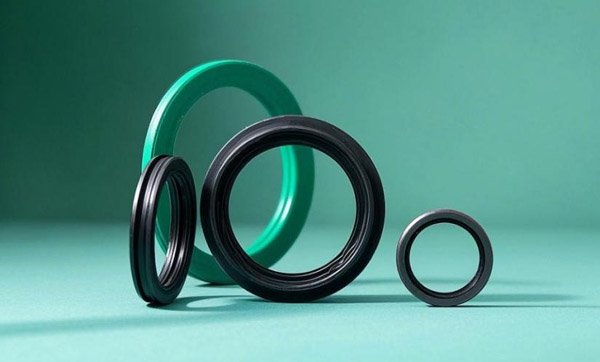

In modern industrial environments, machinery performance, reliability, and efficiency depend heavily on the quality of internal components that ensure smooth operation. One such critical component is the hydraulic oil seal. It plays a vital role in preventing fluid leakage, maintaining pressure, and ensuring that hydraulic systems function efficiently under extreme working conditions. From construction machinery to manufacturing equipment, hydraulic oil seals are essential for sustaining operational stability and reducing maintenance costs.
A hydraulic oil seal is designed to retain hydraulic fluid within a system while preventing contaminants such as dust, dirt, and moisture from entering. It acts as a protective barrier between moving and stationary parts, ensuring that hydraulic pressure remains consistent and machinery performs without interruption.
Understanding Hydraulic Oil Seal Functionality
A hydraulic oil seal is typically made from high-performance materials such as rubber compounds, polyurethane, or PTFE, which provide resistance against pressure, temperature fluctuations, and wear. These seals are installed in hydraulic cylinders, pumps, and rotating shafts where fluid containment is critical.
The primary function of a hydraulic oil seal is to prevent leakage of hydraulic fluid, which is essential for maintaining system efficiency. Even a minor leakage can lead to pressure loss, reduced performance, and potential equipment failure. By ensuring a tight seal, these components help maintain optimal hydraulic force and smooth motion control.
In addition, hydraulic oil seals also protect internal components from external contamination. Dust or particles entering the hydraulic system can cause abrasion and damage, leading to costly repairs and downtime.
Applications in Construction Equipment
Construction machinery operates in some of the harshest environments, including dust, mud, vibration, and extreme pressure conditions. Equipment such as excavators, loaders, bulldozers, and cranes rely heavily on hydraulic systems to perform lifting, digging, and material handling tasks.
In these machines, the hydraulic oil seal ensures that hydraulic cylinders maintain consistent pressure during heavy-duty operations. Without a reliable seal, hydraulic fluid could leak, resulting in reduced lifting capacity or complete system failure.
For example, in excavators, hydraulic oil seals are used in boom cylinders and arm cylinders to ensure precise movement and load control. In cranes, they help maintain stability during lifting operations. The durability of hydraulic oil seals directly impacts the efficiency and safety of construction operations.
Applications in Manufacturing Equipment
In manufacturing industries, hydraulic systems are widely used in presses, injection molding machines, stamping equipment, and assembly lines. These machines require high precision and continuous operation, making hydraulic oil seals extremely important.
A hydraulic oil seal ensures that machines operate without fluid leakage, maintaining consistent pressure for accurate manufacturing processes. In hydraulic presses, for instance, seals help maintain force distribution during metal forming or shaping processes.
Similarly, in injection molding machines, hydraulic oil seals ensure precise movement of molds and injection units. Any leakage or pressure drop can lead to defective products and production inefficiencies.
Industrial Equipment Maintenance Importance
Industrial Equipment Maintenance plays a crucial role in ensuring that hydraulic systems remain operational and efficient over time. Regular inspection and replacement of hydraulic oil seals are essential to prevent unexpected failures and maintain machine performance.
Maintenance teams often monitor seal conditions for signs of wear, such as cracking, hardening, or leakage. Replacing worn-out seals at the right time helps avoid costly breakdowns and production delays.
Preventive maintenance strategies are widely adopted in industries to extend equipment life and improve operational efficiency. By focusing on hydraulic oil seal condition, industries can significantly reduce downtime and improve productivity.
Importance of Seal Quality in System Performance
The performance of hydraulic systems is directly influenced by the quality of hydraulic oil seals used. High-quality seals provide better resistance to pressure, temperature, and chemical exposure, ensuring long-lasting performance.
Low-quality seals may degrade quickly, leading to leakage and system inefficiency. This not only affects machine performance but also increases maintenance costs and operational risks.
Therefore, industries prioritize sourcing hydraulic oil seals from trusted manufacturers to ensure reliability and durability in demanding applications.
Technological Advancements in Hydraulic Oil Seal Design
Modern hydraulic oil seals are designed using advanced engineering techniques and materials. Manufacturers now use computer-aided design (CAD) and simulation tools to develop seals that can withstand extreme operating conditions.
Improved elastomer compounds and composite materials enhance resistance to wear and extend service life. Some advanced seals also feature multi-lip designs that provide enhanced sealing performance under high pressure.
These innovations have significantly improved the efficiency and reliability of hydraulic systems across industries.
Environmental and Efficiency Benefits
Hydraulic oil seals also contribute to environmental protection and energy efficiency. By preventing hydraulic fluid leakage, they reduce environmental contamination and ensure cleaner industrial operations.
Efficient sealing systems also reduce energy loss within hydraulic systems, improving overall machine efficiency. This leads to lower fuel consumption in mobile machinery and reduced electricity usage in industrial equipment.
Sustainable sealing solutions are becoming increasingly important as industries move toward eco-friendly and energy-efficient operations.
Top Companies Providing Hydraulic Oil Seal Solutions
NOK Corporation
NOK Corporation is a major manufacturer of oil seals and sealing systems. Their hydraulic oil seals are widely used in machinery and automotive applications, offering high durability and efficient sealing performance.
SKF Group
SKF Group is a globally recognized leader in sealing and bearing technologies. The company offers advanced hydraulic oil seal solutions designed for industrial, automotive, and heavy machinery applications. SKF products are known for their durability, precision, and ability to perform in extreme environments.
Freudenberg Sealing Technologies
Freudenberg is one of the world’s leading manufacturers of sealing systems, including hydraulic oil seals. Their products are widely used in construction, manufacturing, and automotive industries. The company focuses on innovation and material science to deliver high-performance sealing solutions.
Trelleborg Sealing Solutions
Trelleborg specializes in engineered polymer solutions, including hydraulic oil seals for industrial applications. Their seals are designed to provide excellent resistance to pressure, wear, and chemical exposure, ensuring reliable performance in demanding environments.
SabTech
SabTech is a leading provider of industrial sealing solutions, including high-performance hydraulic oil seals designed for heavy-duty applications. The company focuses on precision engineering and durable materials to ensure long-lasting sealing performance in construction and manufacturing equipment. SabTech hydraulic oil seals are designed to withstand high pressure, extreme temperatures, and harsh operating conditions. Their solutions are widely used in industrial machinery, hydraulic systems, and heavy equipment, making them a trusted name in the maintenance and reliability sector.
Parker Hannifin
Parker Hannifin provides advanced sealing technologies and hydraulic oil seal solutions for industrial equipment. Their products are designed for high efficiency, long service life, and compatibility with modern hydraulic systems.
Challenges in Hydraulic Seal Applications
Despite technological advancements, hydraulic oil seals face challenges such as wear due to friction, exposure to extreme temperatures, and contamination. Improper installation or low-quality materials can also lead to premature failure.
To overcome these challenges, industries focus on proper installation practices, regular maintenance, and using high-quality seals from trusted manufacturers.
Future of Hydraulic Oil Seal Technology
The future of hydraulic oil seal technology lies in smart materials, predictive maintenance, and advanced manufacturing techniques. Emerging seal designs will feature self-lubricating materials and improved resistance to wear and heat.
Integration with IoT-based monitoring systems may also allow real-time tracking of seal performance, enabling predictive replacement before failure occurs. Additive manufacturing and 3D printing will further enhance customization and production efficiency.
Conclusion
Hydraulic oil seals are essential components in construction and manufacturing equipment, ensuring reliable performance, fluid containment, and system efficiency. Their role in maintaining hydraulic pressure and preventing contamination makes them critical for industrial success.
Industrial Equipment Maintenance strategies heavily rely on timely inspection and replacement of hydraulic oil seals to prevent downtime and extend machinery life.
Leading companies such as SabTech, SKF Group, Freudenberg Sealing Technologies, Trelleborg Sealing Solutions, NOK Corporation, and Parker Hannifin are driving innovation in sealing technology. Their solutions ensure high performance, durability, and operational reliability across industries.
As industrial systems continue to evolve, hydraulic oil seals will remain a foundational element in ensuring efficiency, sustainability, and long-term equipment performance.