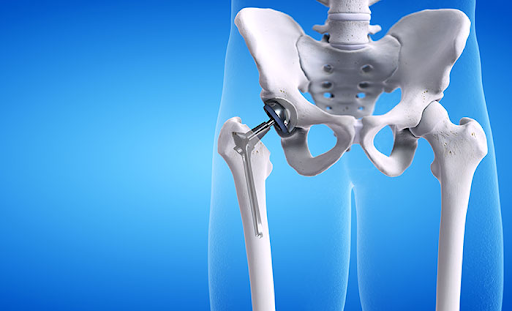

Hip replacement surgery is a procedure used to relieve persistent hip pain and improve movement when damage to the hip joint significantly affects daily life. It is commonly considered when conditions such as advanced osteoarthritis cause ongoing pain, stiffness, and difficulty walking.
The decision to undergo surgery depends on symptoms, joint damage, overall health, activity limitations, and response to non-surgical treatments. Understanding eligibility, the surgical process, recovery, and potential risks can help patients prepare for an informed discussion with an orthopaedic specialist.
What Is Hip Replacement Surgery?
Hip replacement, also called total hip arthroplasty, involves replacing damaged parts of the hip joint with artificial components. The damaged femoral head is replaced with a prosthetic ball, while the damaged socket is replaced with an artificial cup.
The goal is to reduce pain, improve joint movement, and restore the ability to perform everyday activities. Hip replacement does not necessarily mean returning to every previous activity, but many patients experience substantial improvements in mobility and quality of life.
When Is Hip Replacement Recommended?
Hip replacement is generally considered when hip pain and stiffness become significant enough to interfere with normal activities and when appropriate non-surgical treatments no longer provide adequate relief.
Common reasons include:
- Advanced hip osteoarthritis
- Rheumatoid arthritis
- Hip fracture or serious injury
- Osteonecrosis of the femoral head
- Severe joint damage from other conditions
Age alone does not determine eligibility. The overall condition of the joint, symptoms, health status, and functional limitations are more important considerations.
Who Is Eligible for Hip Replacement?
A person may be considered for surgery when hip damage has become substantial and symptoms are affecting daily life despite appropriate conservative treatment.
Symptoms That May Indicate Surgery
Patients may experience:
- Persistent hip or groin pain
- Pain while walking or climbing stairs
- Difficulty getting up from a chair
- Reduced hip movement
- Difficulty sleeping because of pain
- Increasing dependence on pain medication
- Difficulty performing work or household activities
Before recommending surgery, an orthopaedic specialist generally reviews symptoms, physical examination findings, imaging studies, medical history, medications, and previous treatments.
In Ahmedabad, patients considering surgery may consult the best hip replacement surgeon in Ahmedabad to discuss the severity of joint damage, available surgical approaches, implant options, expected outcomes, recovery requirements, and whether hip replacement is appropriate for their individual condition.
What Happens Before Hip Replacement Surgery?
Preparation begins well before entering the operating room. The medical team assesses general health and identifies conditions that could affect anaesthesia, surgery, or recovery.
Preoperative evaluation may include blood tests, imaging, heart or lung assessment when necessary, medication review, and discussions about existing conditions such as diabetes or high blood pressure.
Preparing Your Body for Surgery
Patients may be advised to improve physical fitness, maintain an appropriate weight, stop smoking, manage existing medical conditions, and strengthen the muscles around the hip when possible.
Planning the home environment is also useful. Patients may need temporary assistance with household activities, transportation, and certain daily tasks during the early recovery period.
Hip Replacement Procedure: Step by Step
Hip replacement is usually performed under spinal or general anaesthesia, depending on the patient’s health and the surgical team’s assessment.
Step 1: Surgical Access
The surgeon makes an incision to access the damaged hip joint. Different surgical approaches may be used depending on the patient’s anatomy, surgeon expertise, and clinical circumstances.
Step 2: Removing the Damaged Joint
The damaged femoral head is removed from the upper end of the thigh bone. The damaged cartilage and bone from the socket are also prepared to receive the artificial components.
Step 3: Inserting the Implant
The surgeon places an artificial socket component into the pelvis and inserts a prosthetic stem with a ball into the thigh bone.
The components may be fixed using bone cement or designed to allow the bone to grow onto the implant, depending on the implant and patient-specific factors.
Step 4: Checking Movement
The surgeon checks the stability, alignment, and movement of the artificial joint before closing the incision. The wound is then closed and covered appropriately.
The operation itself commonly takes around one to two hours, although the total hospital time is longer because of preparation and postoperative monitoring.
What Happens Immediately After Surgery?
After surgery, patients are monitored while the effects of anaesthesia wear off. Pain relief, wound care, blood clot prevention, and early movement are important components of postoperative care.
In many cases, physiotherapy begins soon after surgery. Early movement can help restore mobility and reduce complications associated with prolonged inactivity.
Patients may initially use a walker, crutches, or another walking aid. The amount of weight placed on the operated leg depends on the surgical approach, implant fixation, and individual recovery plan.
Hip Replacement Recovery Timeline
Recovery varies between individuals, but many patients gradually resume everyday activities over several weeks.
| Recovery Stage | What May Happen |
| First few days | Pain control, walking practice, physiotherapy |
| First few weeks | Gradual increase in mobility and daily activities |
| Around 4-6 weeks | Improved walking and greater independence for many patients |
| Several months | Continued strengthening and functional improvement |
| Longer term | Return to suitable low-impact activities |
These are general estimates rather than fixed deadlines. Recovery can be slower after complications, poor muscle strength, or certain underlying health conditions.
Importance of Physiotherapy
Physiotherapy plays an important role in rebuilding strength, improving balance, restoring movement, and helping patients return to functional activities.
Exercises may initially focus on gentle movement and muscle activation before progressing to strengthening, walking, balance, and activity-specific exercises. Following the prescribed rehabilitation plan is important for achieving a safe and steady recovery.
What Activities Can You Do After Hip Replacement?
Most patients are encouraged to remain active after recovery, but the type and intensity of activity should be appropriate for the artificial joint.
Generally suitable activities may include:
- Walking
- Swimming
- Cycling
- Low-impact exercise
- Strengthening exercises
High-impact activities involving repeated jumping or heavy joint loading may not be recommended for everyone. Patients should discuss sports and exercise goals with their orthopaedic team before returning to demanding activities.
Possible Risks and Complications
Hip replacement is generally considered a successful procedure, but complications can occur. Potential risks include infection, blood clots, bleeding, dislocation, leg-length differences, nerve or blood vessel injury, implant loosening, and fractures around the implant.
Some complications are uncommon but may require additional treatment or surgery. Patients should understand the potential risks and warning signs before undergoing the procedure.
Warning Signs After Surgery
Contact the medical team promptly if you develop:
- Fever or worsening wound redness
- Increasing wound drainage
- Severe or rapidly increasing pain
- New swelling in the leg
- Chest pain or difficulty breathing
- Sudden inability to move or bear weight
Urgent symptoms such as chest pain or significant breathing difficulty require immediate medical attention.
How Long Does a Hip Replacement Last?
Modern hip implants are designed to provide long-term function, but no artificial joint lasts forever. Implant longevity varies according to factors such as age, activity level, implant type, surgical technique, body weight, and overall health.
Many modern hip replacements function well for decades. Younger or highly active patients may eventually require revision surgery, although this is not inevitable.
Conclusion
Hip replacement surgery can significantly reduce pain and improve mobility when severe hip joint damage interferes with daily life and non-surgical treatments are no longer sufficient.
Successful recovery involves more than the operation itself. Proper preoperative preparation, appropriate surgical planning, early movement, physiotherapy, healthy lifestyle habits, and regular follow-up all contribute to recovery. The decision to undergo surgery should be based on individual symptoms, joint damage, overall health, and a detailed discussion with an orthopaedic specialist.
Frequently Asked Questions
1. How do I know if I need hip replacement surgery?
Hip replacement may be considered when persistent hip pain, stiffness, and reduced mobility significantly affect daily activities despite appropriate non-surgical treatment. Imaging and clinical assessment help determine whether joint damage is severe enough.
2. How long does hip replacement surgery take?
The operation commonly takes around one to two hours, although preparation and postoperative monitoring require additional time. The exact duration varies depending on the surgical technique, patient’s anatomy, complexity, and individual circumstances.
3. How long does it take to recover from hip replacement?
Many patients become increasingly independent within several weeks, but complete recovery can take several months. Recovery varies according to overall health, muscle strength, surgical factors, physiotherapy participation, and whether complications occur.
4. Can I walk normally after hip replacement?
Many patients are able to walk independently after rehabilitation, although recovery speed varies. Walking aids are commonly used initially and gradually reduced as strength, balance, confidence, and joint function improve.
5. What exercises are recommended after hip replacement?
Postoperative exercises commonly begin with gentle movement and muscle activation before progressing to strengthening, balance, walking, and functional activities. The exact program should be prescribed according to the surgical procedure and individual recovery progress.