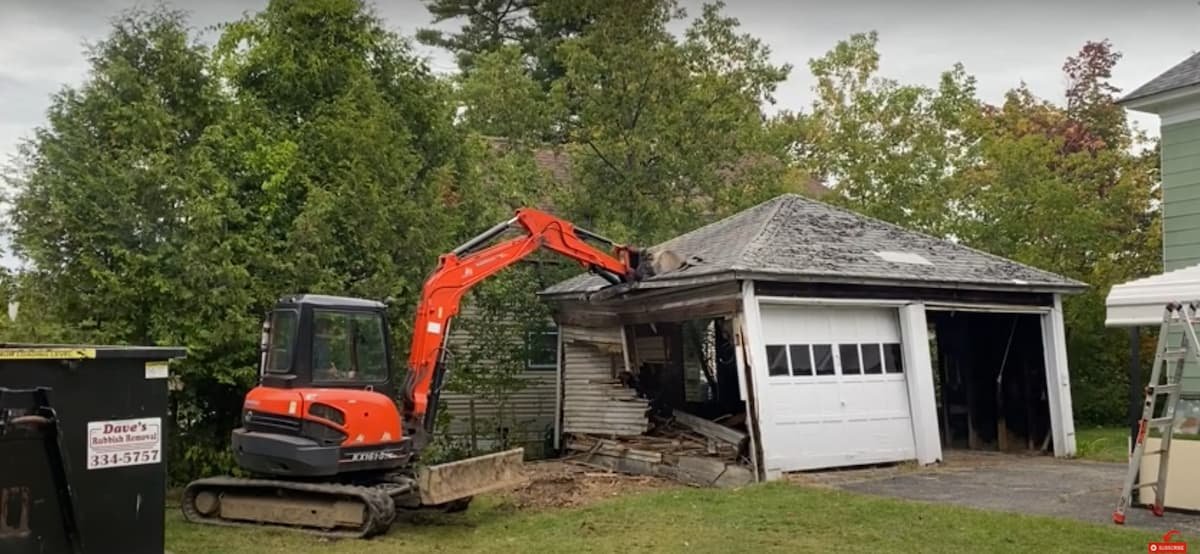

That crumbling garage at the back of your property — you know the one. The roof sags, the doors barely open, and the concrete floor has more cracks than a jigsaw puzzle. At some point, patching it up stops making sense. Garage demolition becomes the smarter, safer, and more cost-effective move.
But for most homeowners, demolition feels like unknown territory. What does the process actually involve? How long does it take? And who handles all that debris afterward?
This post breaks down everything you need to know about garage demolition — from the first decision to the final clean-up — so you can move forward with confidence.
When Repair Stops Making Sense
There’s a tipping point with old structures. Minor fixes — a patch here, a paint job there — can keep a garage functional for years. But structural deterioration tells a different story.
Signs that demolition may be the right call include:
- Foundation damage: Shifting, cracking, or heaving foundations compromise the entire structure and become increasingly dangerous over time.
- Rot and water damage: Prolonged moisture exposure weakens wooden frames to the point where they can no longer safely bear a load.
- Storm or fire damage: Major events often create damage that’s too extensive to repair economically.
- Code violations: Older garages sometimes fail to meet current building codes, creating liability issues for homeowners.
Once repair costs start creeping toward or beyond the cost of replacement, demolition and rebuild becomes the logical path forward.
The Demolition Process, Step by Step
Professional garage demolition isn’t simply a crew showing up with sledgehammers. It’s a structured process with clear stages — each one designed to keep the job safe, efficient, and compliant with local regulations.
Permits and Preparation
Before any physical work begins, the proper permits need to be in place. Requirements vary by municipality, but most jurisdictions require a demolition permit for any detached structure. A reputable demolition contractor handles this on your behalf, saving you the headache of navigating local bureaucracy.
Preparation also involves disconnecting any utilities serviced to the garage — electricity, gas, and plumbing — before demolition begins. Skipping this step isn’t just dangerous; it can result in costly fines.
The Actual Demolition
Depending on the size of your garage and the surrounding property, a few different approaches may be used:
- Mechanical demolition uses excavators or skid steers to bring the structure down quickly. This is the most common method for standard detached garages.
- Manual demolition involves a crew dismantling the structure by hand, piece by piece. It takes longer but gives greater control — particularly useful when the garage is close to the main house or neighboring structures.
For attached garages, extra care is essential to protect the shared wall and ensure the main home’s structural integrity remains intact throughout the process.
Debris Removal and Site Clean-Up
Once the structure is down, the real work of removal begins. Demolition waste — broken concrete, timber, roofing materials, metal framing — needs to be separated and hauled away responsibly. Much of it can be recycled or repurposed, which reduces landfill impact and, in some cases, lowers disposal costs.
A thorough clean-up also involves grading the site to leave a level surface, ready for whatever comes next — whether that’s a new garage, a garden, an outdoor entertaining area, or additional landscaping.
How Long Does Garage Demolition Take?
For a standard single-car garage, demolition and debris removal typically takes one to two days. Larger or more complex structures — double garages, garages with significant water or asbestos damage, attached garages — may extend the timeline.
Asbestos is worth a specific mention here. Garages built before the 1980s often contain asbestos in roofing sheets or insulation materials. If asbestos is present, licensed asbestos removal must occur before demolition can proceed. This adds time but isn’t optional — improper handling poses serious health risks and carries heavy legal penalties.
What Does Garage Demolition Cost?
Costs vary depending on several factors: garage size, construction materials, site accessibility, disposal fees, and whether asbestos or other hazardous materials are involved.
As a general benchmark, homeowners can expect demolition costs to range from a few hundred dollars for small, straightforward structures to several thousand for larger or more complicated jobs. Getting a detailed quote upfront — one that breaks down labor, permits, disposal, and any additional remediation work — is the best way to avoid unexpected expenses.
The cheapest quote isn’t always the best one. Cutting corners on permits, safety protocols, or debris disposal can cost far more in the long run.
DIY vs. Professional Demolition
Some homeowners consider doing the demolition themselves to reduce costs. For very small, simple structures with no hazardous materials and good site access, DIY demolition is technically possible. But it’s rarely advisable.
The risks are significant:
- Structural collapse: Without proper assessment, walls and roofs can fail unpredictably, putting anyone nearby in danger.
- Utility hazards: Incorrectly disconnected power or gas lines are a serious safety risk.
- Hazardous materials: Asbestos, lead paint, and other materials require licensed professionals to handle safely.
- Disposal complexity: Most local waste facilities have strict requirements around construction debris. Hauling it away legally takes more effort than most homeowners anticipate.
Professional demolition teams bring the right equipment, expertise, and insurance to handle these challenges efficiently. The cost difference is often smaller than expected — and the peace of mind is substantial.
Making the Most of the Cleared Space
Once your old garage is gone and the site is cleared, you’re left with a blank canvas. This is the moment where homeowners often start to see the bigger picture.
Common uses for a freshly cleared garage site include:
- Rebuilding a new garage: A new structure means better storage, improved security, and the opportunity to design a space that actually suits your current needs.
- Outdoor entertaining: Decking, pergolas, or paved entertaining areas transform a previously wasted corner of your property.
- Landscaping and gardens: More greenery, a kitchen garden, or a lawn extension can dramatically improve your property’s appearance and value.
- Additional parking or driveway space: For properties where parking is at a premium, a cleared site opens up practical new possibilities.
Whatever you have in mind, the demolition is the first step — and often the most liberating one.
Ready to Clear the Way?
Garage-demolition becomes a straightforward project when managed by an experienced team. With the proper permits secured, utilities safely disconnected, and a skilled crew coordinating the work, what once seemed like a daunting task can be completed efficiently and without unnecessary disruption. Careful planning ensures surrounding structures remain protected, debris is handled responsibly, and the site is left clean and ready for the next phase of construction or renovation.
At HeavenScape, we handle every aspect of garage demolition — from permits and preparation through to debris removal and site clean-up. If your garage has reached the end of its useful life, we’re here to help you move forward. Get in touch with our team today for an obligation-free quote.