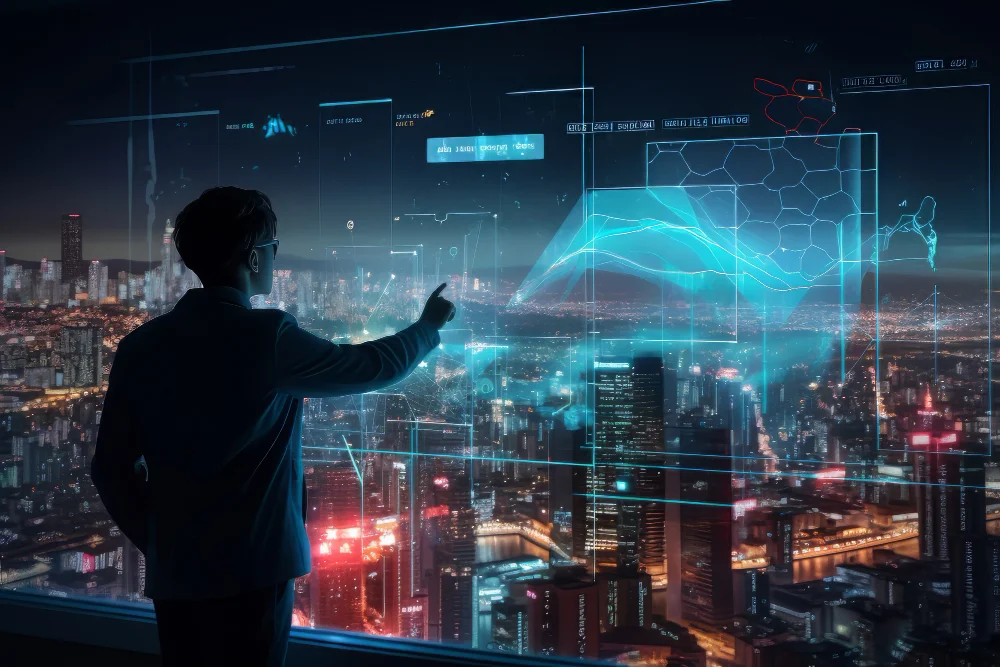

The world of technology is evolving faster than ever, and 2026 promises to be a defining year for businesses, governments, and individuals alike. Strategic technology trends are no longer just about gadgets or software—they shape how companies operate, how people interact with technology, and how industries transform. From artificial intelligence to cybersecurity, cloud computing, and digital trust, understanding the top trends for 2026 is essential for staying competitive and future-ready.
AI and Automation Take Center Stage
Artificial intelligence (AI) continues to dominate the technology landscape in 2026. Businesses are moving beyond simple automation to AI-driven decision-making, predictive analytics, and agent-based systems. These tools are not just improving efficiency—they are fundamentally changing how companies operate.
Advanced AI models now allow organizations to predict customer behavior, optimize operations, and personalize experiences in real-time. Automation is expanding into areas like financial forecasting, supply chain management, and customer service, allowing companies to streamline repetitive tasks and free up human talent for strategic thinking.
Generative AI and Content Creation
Generative AI is one of the most exciting trends this year. These systems can create content, visuals, music, and even code, helping businesses and creatives bring ideas to life faster than ever. For example, emerging platforms are enabling marketing teams to generate campaigns in minutes while maintaining brand consistency.
The creative and entertainment industries are also seeing a surge in AI-generated content, from music tracks to interactive storytelling. This democratizes production, allowing smaller creators to compete with larger studios. Platforms like hub2technologies are providing tools that help businesses and individuals leverage generative AI for innovative outcomes.
Cloud-Native and Edge Computing
Cloud computing remains a cornerstone of strategic technology, but in 2026, businesses are increasingly adopting cloud-native architectures. This allows for flexible, scalable, and resilient systems capable of handling large amounts of data efficiently.
Edge computing is complementing cloud strategies by processing data closer to the source. This reduces latency, improves performance, and enhances real-time analytics. For industries like healthcare, manufacturing, and logistics, edge computing is enabling faster decision-making and more reliable systems.
Cybersecurity and Digital Trust
With growing reliance on digital systems, cybersecurity has become a top strategic priority. In 2026, organizations are focusing on proactive security measures, including AI-driven threat detection, identity verification, and confidential computing.
Digital trust is also a key focus. Companies must ensure data privacy, compliance, and transparency to maintain customer confidence. Strategic technology now includes building systems that are not only secure but also explainable and accountable. Platforms like Techforbess are offering services that integrate advanced cybersecurity solutions with organizational workflows, ensuring businesses remain safe and compliant in a rapidly evolving threat landscape.
Hyperautomation and Process Optimization
Hyperautomation combines AI, machine learning, and robotic process automation (RPA) to optimize business processes across functions. Companies are using hyperautomation to analyze operations, identify inefficiencies, and implement changes automatically.
This trend is not limited to large enterprises. Small and medium-sized businesses are also adopting automation platforms that allow them to compete with larger organizations by reducing costs and improving agility.
Quantum Computing and Advanced Analytics
Quantum computing is gradually moving from research labs into practical applications. While full-scale quantum systems are still emerging, hybrid solutions combining classical and quantum computing are enabling businesses to solve complex problems faster.
Advanced analytics powered by quantum computing helps in areas like financial modeling, logistics optimization, and climate simulations. Early adopters are gaining significant advantages in speed, accuracy, and insight.
Multi-Experience Platforms
In 2026, user experience goes beyond traditional interfaces. Multi-experience platforms integrate web, mobile, augmented reality (AR), virtual reality (VR), and voice interactions to create seamless and immersive experiences.
Organizations are investing in experiences that are intuitive, engaging, and accessible across devices. This trend enhances customer engagement and opens new opportunities for digital marketing, training, and product demonstrations.
Sustainability and Green Technology
Sustainability is becoming a critical part of technology strategy. Companies are adopting energy-efficient systems, cloud services with reduced carbon footprints, and sustainable data centers.
Emerging technologies are helping businesses monitor environmental impact, optimize energy usage, and align operations with corporate responsibility goals. Strategic technology decisions now balance performance with environmental considerations, reflecting global priorities for 2026.
Personalized and Predictive Technologies
Businesses are using data-driven insights to deliver personalized and predictive experiences. This includes tailored product recommendations, predictive maintenance in manufacturing, and personalized healthcare interventions.
Predictive technologies allow organizations to anticipate trends, optimize resource allocation, and proactively address customer needs. This is becoming a competitive differentiator, helping companies stand out in crowded markets.
Collaboration and Remote Work Technologies
The hybrid work model continues to evolve, with technology playing a central role in enabling collaboration. Advanced collaboration platforms integrate AI, virtual meetings, project management, and real-time document sharing.
Strategic technology trends focus on making remote and hybrid teams more productive, connected, and engaged. Tools that combine communication, automation, and analytics allow organizations to maintain efficiency while supporting flexible work arrangements.
Preparing for the Future
Understanding the top strategic technology trends for 2026 is essential for business leaders, IT professionals, and innovators. Organizations that embrace AI, hyperautomation, cloud-native systems, digital trust, and multi-experience platforms will be better positioned to thrive in a competitive landscape.
Platforms like hub2technologies and Techforbess are helping businesses navigate this dynamic environment by providing tools and insights to implement these trends effectively. By staying informed and proactive, organizations can leverage technology not just as a tool but as a driver of growth, innovation, and resilience.
Conclusion
2026 is shaping up to be a pivotal year for strategic technology adoption. From AI and automation to cybersecurity, cloud computing, and sustainability, the trends highlighted here are defining the next wave of innovation.
For businesses, the opportunity lies in integrating these technologies into long-term strategies, improving efficiency, enhancing customer experiences, and maintaining competitive advantage. By embracing these trends, companies can ensure they are not just keeping pace with change but leading it.