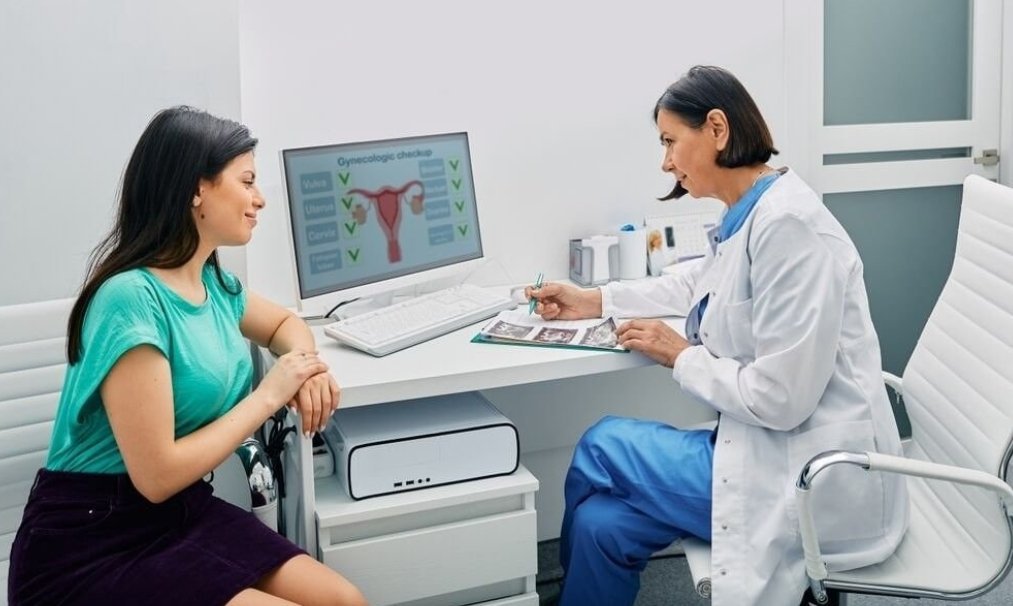

Gynecological health covers the female reproductive system, including the uterus, ovaries, fallopian tubes, cervix, vagina, and menstrual cycle. Problems affecting these areas can occur at any stage of life, from adolescence through menopause.
Some conditions cause mild, occasional symptoms, while others may affect fertility, daily activities, sexual health, or overall wellbeing. Common concerns include irregular periods, painful menstruation, vaginal infections, polycystic ovary syndrome, fibroids, endometriosis, and ovarian cysts.
Understanding symptoms and available treatment options can help women seek appropriate medical care instead of ignoring persistent or unusual changes.
Common Gynecological Problems Women May Experience
Gynecological conditions vary considerably in their causes and severity. Some develop because of hormonal changes, while others may result from infections, structural changes, genetics, or underlying medical conditions.
Irregular or Heavy Periods
Menstrual cycles can occasionally change because of stress, weight fluctuations, illness, medications, or hormonal changes. However, consistently irregular periods or unusually heavy bleeding may require evaluation.
Heavy menstrual bleeding can sometimes be associated with fibroids, polyps, adenomyosis, thyroid problems, bleeding disorders, or hormonal imbalance. Treatment depends on the underlying cause and may include medication, hormonal therapy, or procedures.
Painful Periods
Mild cramping is common during menstruation, but severe or worsening pelvic pain should not simply be considered normal. Pain that interferes with work, school, sleep, or everyday activities deserves medical assessment.
Conditions such as endometriosis, adenomyosis, fibroids, or pelvic infections can contribute to significant menstrual pain. Treatment may involve pain-relieving medication, hormonal treatment, or surgery when an underlying structural condition requires it.
Polycystic Ovary Syndrome
Polycystic ovary syndrome, commonly called PCOS, is a hormonal condition that can affect menstrual cycles, ovulation, skin, hair growth, and metabolism.
Common features can include:
Irregular or absent periods
Acne or oily skin
Increased facial or body hair
Difficulty with ovulation
Weight or metabolic changes
There is no single treatment that works for every person with PCOS. Depending on symptoms and pregnancy plans, management may include lifestyle changes, medications to regulate periods, treatment for acne or excess hair, and fertility treatment when needed.
Uterine Fibroids
Fibroids are non-cancerous growths that develop in or around the muscular wall of the uterus. Many women have fibroids without symptoms, while others experience heavy bleeding, pelvic pressure, frequent urination, or reproductive difficulties.
How Fibroids Are Treated
Treatment depends on symptoms, fibroid size and location, age, and future pregnancy plans. Options can include observation, medication to control symptoms, minimally invasive procedures, or surgery.
Not every fibroid requires treatment. If symptoms are mild and the fibroids are not causing complications, a doctor may recommend monitoring them over time.
Endometriosis
Endometriosis occurs when tissue similar to the lining of the uterus grows outside the uterus. It can cause painful periods, chronic pelvic pain, pain during intercourse, bowel or urinary symptoms, and sometimes difficulty becoming pregnant.
Managing Endometriosis
Treatment may include pain medication, hormonal therapies, or surgery. The most appropriate approach depends on symptom severity, disease location, age, and whether pregnancy is currently desired.
Because symptoms can overlap with other conditions, diagnosis may require a detailed medical history, examination, imaging, and sometimes surgical assessment.
Ovarian Cysts
Ovarian cysts are fluid-filled sacs that can develop on or inside an ovary. Many are functional cysts associated with the normal menstrual cycle and disappear without treatment.
When Treatment May Be Needed
Large, persistent, painful, or unusual cysts may require further evaluation. Ultrasound is commonly used to assess their size and appearance.
Depending on the findings, a doctor may recommend observation and repeat imaging or, in selected cases, surgical removal. Sudden severe pelvic pain, especially with nausea or vomiting, requires urgent medical attention because complications such as ovarian torsion can occur.
Vaginal Infections and Other Common Concerns
Vaginal symptoms are common but can have different causes. Bacterial vaginosis, yeast infections, and sexually transmitted infections can produce symptoms such as discharge, itching, irritation, odor, or discomfort.
Why Correct Diagnosis Matters
Symptoms alone cannot always identify the cause. Using inappropriate over-the-counter treatments may delay proper diagnosis or worsen irritation.
A healthcare professional may recommend an examination or laboratory testing before treatment. Depending on the diagnosis, treatment can involve antibiotics, antifungal medication, antiviral medication, or other targeted therapies.
Women should also seek evaluation for unusual bleeding, persistent pelvic pain, sores, or symptoms that repeatedly return.
Pelvic Inflammatory Disease
Pelvic inflammatory disease, or PID, is an infection involving the upper female reproductive organs. It can develop when certain sexually transmitted infections or other infections spread upward from the vagina or cervix.
Treatment and Prevention
PID generally requires prompt antibiotic treatment. Delayed treatment can increase the risk of complications, including chronic pelvic pain, infertility, and ectopic pregnancy.
Medical evaluation is especially important when pelvic pain occurs alongside fever, abnormal vaginal discharge, pain during intercourse, or unusual bleeding. Sexual partners may also require assessment and treatment when a sexually transmitted infection is involved.
Menopause-Related Gynecological Changes
Menopause brings hormonal changes that can affect periods, vaginal tissues, sleep, mood, and urinary symptoms. Perimenopause, the transition leading to menopause, can cause periods to become irregular before menstruation eventually stops.
Managing Symptoms
Treatment depends on the symptoms and individual health profile. Options may include lifestyle measures, vaginal moisturisers or lubricants, local treatments, non-hormonal medications, or hormone therapy in appropriate patients.
Bleeding after menopause should always be medically evaluated rather than assumed to be a normal hormonal change.
How Gynecological Problems Are Diagnosed
Diagnosis begins with a detailed discussion about symptoms, menstrual history, medications, pregnancies, sexual health, previous medical conditions, and family history.
Common Diagnostic Tests
Depending on the concern, a healthcare professional may recommend:
Pelvic examination
Blood tests
Pregnancy testing
Vaginal or cervical swabs
Ultrasound
Pap or HPV testing
Other imaging or specialised procedures
Not every woman needs every test. Investigations should be selected according to symptoms and clinical findings.
When choosing a healthcare facility, women in Delhi may compare the availability of specialists, diagnostic services, emergency support, and treatment options before selecting the best gynecology hospital in Noida for their individual healthcare needs.
When Should You See a Gynecologist?
Women should consider medical evaluation when symptoms are persistent, severe, recurrent, or significantly different from their usual pattern.
Seek prompt medical attention for:
Very heavy or prolonged bleeding
Severe or sudden pelvic pain
Bleeding after menopause
Persistent abnormal vaginal discharge
Unexplained pelvic swelling
Pain during intercourse that continues
Difficulty becoming pregnant
Fever with pelvic pain or abnormal discharge
Emergency care may be necessary for sudden severe abdominal or pelvic pain, fainting, heavy bleeding, or symptoms suggesting pregnancy complications.
Conclusion
Common gynecological problems can range from temporary menstrual changes to conditions requiring long-term management or surgery. Early evaluation can help identify the underlying cause and prevent some problems from becoming more complicated.
Women should not feel uncomfortable discussing menstrual changes, pelvic pain, abnormal discharge, fertility concerns, or menopausal symptoms with a qualified healthcare professional. Appropriate diagnosis allows treatment to be tailored to the individual’s symptoms, reproductive goals, age, and overall health.
Frequently Asked Questions
1. How often should women visit a gynecologist?
The frequency depends on age, symptoms, reproductive health, medical history, and screening needs. Women should also schedule an appointment whenever they experience persistent, unusual, painful, or concerning gynecological symptoms rather than waiting for routine care.
2. Are painful periods always normal?
Mild menstrual cramps can be normal, but severe, worsening, or disabling pain is not something to ignore. Conditions such as endometriosis, fibroids, or adenomyosis can cause significant pain and may require appropriate evaluation and treatment.
3. Can gynecological problems affect fertility?
Yes. Some conditions, including endometriosis, PCOS, fibroids, pelvic infections, and certain ovarian disorders, can affect ovulation, fallopian tubes, implantation, or other aspects of fertility. Early assessment may help identify potentially treatable causes.
4. When is abnormal vaginal discharge concerning?
Discharge may be normal when it changes naturally throughout the menstrual cycle. However, discharge accompanied by strong odor, itching, burning, pelvic pain, sores, or unusual color should be evaluated because infections may require specific treatment.
5. Should postmenopausal bleeding be checked?
Yes. Any vaginal bleeding after menopause should be evaluated by a healthcare professional. Although several causes are possible and many are not serious, postmenopausal bleeding can sometimes indicate conditions requiring timely diagnosis and treatment.