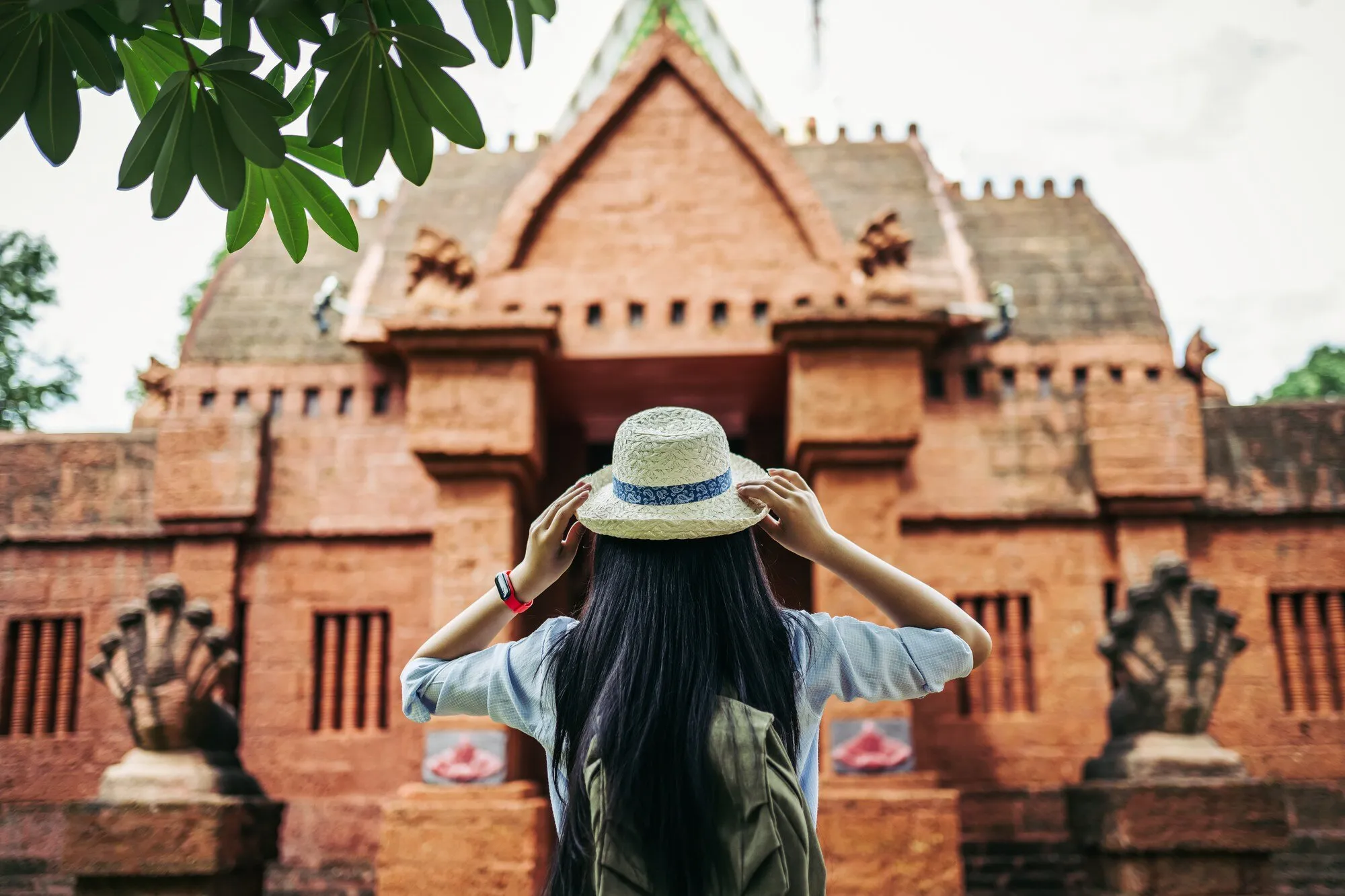

Welcome to IndoCultureGuide, your ultimate resource for exploring the diverse and rich heritage of Indonesia. This vast archipelago is known for its vibrant cultures, unique traditions, and stunning landscapes. But what truly sets Indonesia apart is its cultural tapestry, woven from hundreds of ethnic groups and languages. Are you ready to embark on a journey through this fascinating land? Let’s dive into the heart of Indonesian culture and discover what makes it so unique.
Understanding Indonesia’s Cultural Diversity
Indonesia is home to over 17,000 islands, each with its own unique culture and traditions. The country boasts more than 300 ethnic groups, each contributing to its cultural mosaic. This diversity is reflected in everything from language and art to food and festivals. What does this mean for someone looking to experience Indonesian culture? It means an endless array of opportunities to explore different ways of life.
One of the most striking aspects of Indonesian culture is its traditional practices. From the intricate art of batik to the mystical Wayang Kulit shadow puppetry, these traditions are not just relics of the past but living, breathing parts of daily life. Have you ever seen a traditional Javanese dance or heard the enchanting sounds of a gamelan orchestra? If not, these are experiences not to be missed.
Culinary Adventures: A Taste of Indonesia
Food is a central part of Indonesian culture, offering a window into its diverse heritage. With each island and region boasting its own specialties, the culinary landscape is as varied as the country itself. From the spicy flavors of nasi goreng to the savory delights of sate, Indonesian cuisine is a treat for the senses.
Have you ever wondered what makes Indonesian food so distinctive? It’s the use of unique ingredients like coconut, lemongrass, and galangal, combined with a rich array of spices. Whether you’re enjoying a simple street food snack or dining at a traditional restaurant, Indonesian food invites you to savor the country’s rich cultural heritage.
Art and Music: The Soul of Indonesia
Art and music are integral to understanding Indonesian culture. Traditional arts like the intricate wood carvings of Bali or the colorful textiles of Sumatra offer a glimpse into the artistic soul of the nation. Meanwhile, contemporary Indonesian art continues to evolve, reflecting modern influences and themes.
Music, too, plays a vital role in cultural expression. Have you heard the rhythmic beats of angklung or the melodic tunes of Balinese dance music? These are not just performances but expressions of identity and community. Whether traditional or modern, Indonesian music connects people to their roots and each other.
Exploring Indonesia: Travel Tips and Must-Visit Destinations
No exploration of Indonesian culture would be complete without experiencing it firsthand. Indonesia offers a wealth of destinations where culture and nature intersect. From the ancient temples of Borobudur to the artistic hub of Ubud, each place tells a story of its own.
Are you curious about the best way to plan your Indonesian adventure? Consider focusing on cultural experiences that allow you to engage with local communities. Participate in a traditional ceremony, visit a local market, or take a cooking class. These activities provide unique insights into everyday life in Indonesia.
For those interested in sustainable tourism, Indonesia offers numerous opportunities to explore its natural beauty responsibly. From eco-friendly resorts in Bali to community-based tourism initiatives in Java, there are many ways to enjoy the country while preserving its rich cultural and environmental heritage.
Cultural Etiquette: Navigating Social Norms
Understanding cultural etiquette is key to a respectful and enriching experience in Indonesia. While the country is known for its hospitality, being aware of local customs can enhance your interactions. For instance, did you know that in many parts of Indonesia, using your right hand for giving and receiving items is considered polite?
Language also plays a crucial role in cultural interaction. While Bahasa Indonesia is the national language, many regions have their own dialects. Learning a few basic phrases can go a long way in building rapport and showing respect for local culture.
Embracing the Future: Modern Influences on Indonesian Culture
As Indonesia modernizes, its culture continues to evolve. The influence of technology and globalization is evident in the way traditions are preserved and shared. Social media, for instance, has become a powerful tool for promoting cultural heritage and connecting people from different backgrounds.
How is Indonesian culture adapting to these changes? By embracing innovation while staying true to its roots. From digital platforms showcasing traditional arts to modern interpretations of age-old practices, Indonesia is finding new ways to celebrate its cultural identity.
In conclusion, IndoCultureGuide invites you to explore the rich tapestry of Indonesia’s heritage. Whether you’re a seasoned traveler or a curious newcomer, the journey promises to be enlightening and rewarding. Ready to embark on your cultural adventure? Dive into the wonders of Indonesia and discover a world where tradition and modernity blend seamlessly.