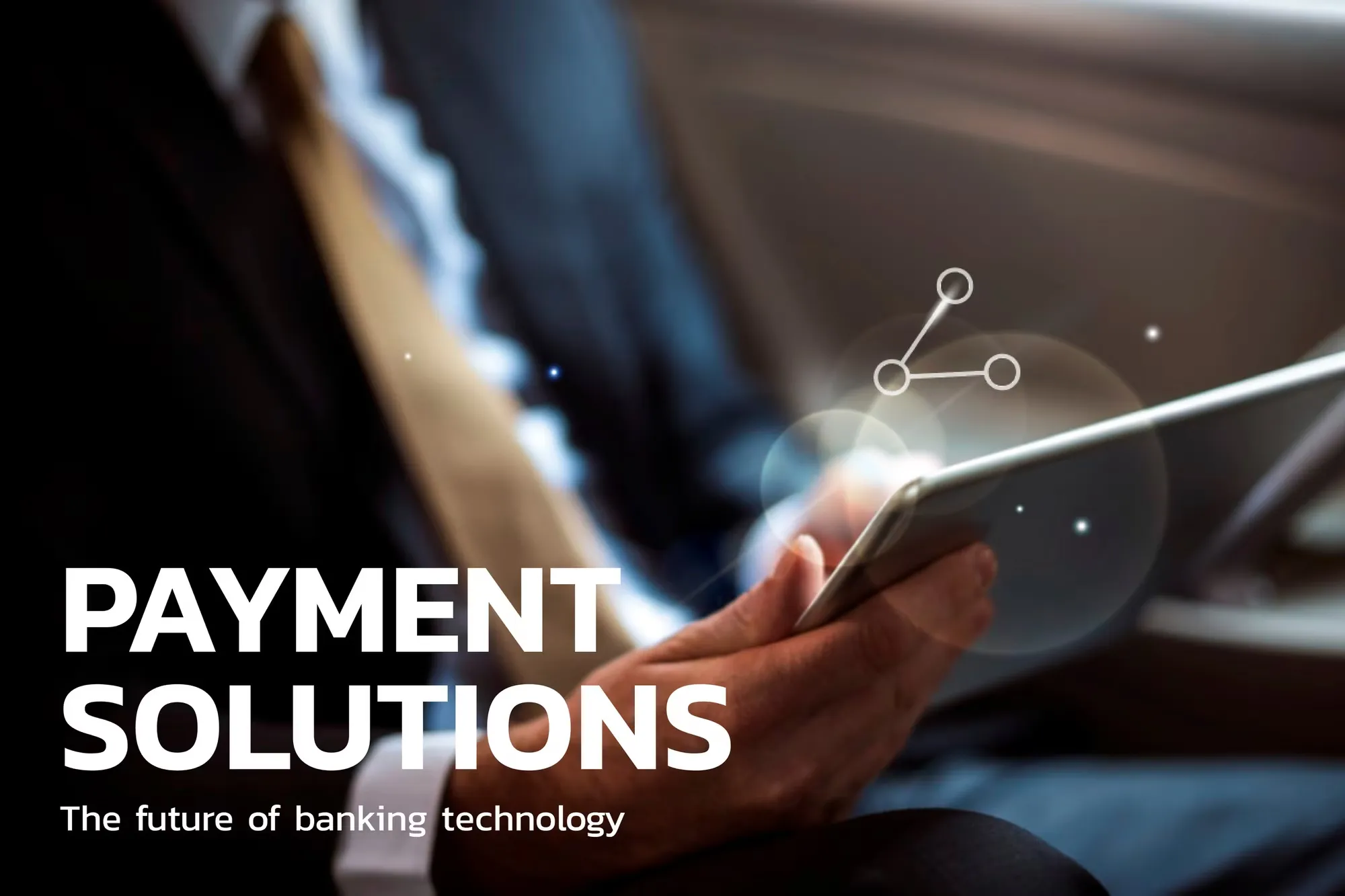

The payment industry has witnessed remarkable transformations over the past few years. With technologies advancing at a breakneck pace, staying updated on these changes is crucial for professionals and enthusiasts alike. But what are the key trends in payment technology that are reshaping the industry landscape? Let’s explore the innovations driving this evolution and how they’re impacting businesses and consumers.
The Rise of Digital Wallets and Mobile Payments
One of the most notable shifts in the payment sector is the widespread adoption of digital wallets and mobile payment systems. These technologies offer convenience and speed, catering to the modern consumer’s demand for seamless transactions. Have you noticed how often people use their smartphones to pay for groceries or coffee?
Digital wallets, such as Apple Pay and Google Wallet, allow users to store payment information securely on their devices. This technology is not only enhancing user experience but also boosting security. With encryption and tokenization, digital wallets minimize the risk of data breaches, making them a preferred choice for many.
Blockchain’s Role in Payment Systems
Blockchain technology is another game-changer, offering unparalleled security and transparency in transactions. How does it work, and why is it so revolutionary?
In essence, blockchain creates a decentralized ledger of transactions, reducing the need for intermediaries and thus lowering costs. Its immutable nature ensures that once data is recorded, it cannot be altered without consensus, enhancing trust among parties. Banks and financial institutions are increasingly exploring blockchain for cross-border payments, which have traditionally been slow and expensive.
Contactless Payments and Their Growing Popularity
Have you ever wondered why contactless payments have gained so much traction recently? The answer lies in their speed and ease of use, especially emphasized during the COVID-19 pandemic when minimizing contact became a priority.
Contactless transactions use Near Field Communication (NFC) technology, allowing consumers to make payments by simply tapping their card or smartphone against a compatible terminal. This method is not only faster but also reduces wear and tear on physical cards, extending their lifespan.
Regulatory Changes Impacting the Payment Landscape
With rapid technological advancements, regulatory bodies worldwide are continuously updating policies to ensure consumer protection and fair competition. But what specific changes are we seeing?
From stricter guidelines on data privacy to regulations on cross-border transactions, the landscape is evolving. Compliance with these regulations is non-negotiable for businesses, as failure to adhere can result in hefty fines and reputational damage. Staying informed about these changes is essential for businesses to navigate the complex regulatory environment successfully.
Artificial Intelligence in Payment Fraud Detection
As digital transactions increase, so does the risk of fraud. How are companies tackling this challenge? The integration of artificial intelligence (AI) into payment systems is proving to be a powerful tool against fraudsters.
AI algorithms can analyze vast amounts of transaction data in real-time, identifying patterns and anomalies indicative of fraudulent activity. This not only helps in preventing fraud but also reduces false positives, ensuring legitimate transactions proceed without unnecessary hindrances.
Cross-border Payment Solutions: Bridging the Gap
Globalization has made cross-border transactions more common, but they often come with challenges such as high fees and long processing times. How are new technologies addressing these issues?
Innovations like blockchain and AI are streamlining cross-border payments, making them faster and more affordable. By eliminating intermediaries and optimizing currency conversion processes, these technologies are enhancing the efficiency of international commerce.
Looking Ahead: The Future of Payment Technologies
What does the future hold for payment technologies? While the current trends are promising, the future is likely to bring even more groundbreaking innovations. Experts predict advancements in biometric payments, where fingerprint or facial recognition replaces traditional authentication methods. This will further enhance security and convenience, making financial transactions smoother than ever before.
Moreover, the integration of Internet of Things (IoT) with payment systems could revolutionize how we interact with everyday devices, turning them into payment portals. Imagine your refrigerator automatically ordering and paying for groceries when supplies run low—this is the potential of IoT in payments.
As we continue to embrace these technological advancements, the payment industry will undoubtedly evolve, offering more efficient, secure, and convenient ways to transact. For businesses, staying ahead of these trends is not just beneficial—it’s essential for survival in an increasingly digital world.
To stay informed and competitive, professionals in the payment sector must continuously adapt to the changing landscape, embracing innovations that offer enhanced security and user experience. By doing so, they can ensure their businesses remain at the forefront of the industry, ready to meet the demands of tomorrow’s consumers.
Frequently Asked Questions (FAQ)
- What are digital wallets, and how do they work?
Digital wallets store payment information on a device, allowing users to make secure transactions without physical cards. - Why is blockchain important in payment systems?
Blockchain offers a decentralized, secure ledger that reduces costs and enhances transaction trust. - How do contactless payments differ from traditional methods?
They use NFC technology for quick transactions, eliminating the need for swiping or inserting cards. - What role does AI play in preventing payment fraud?
AI analyzes transaction data to detect and prevent fraudulent activities, reducing false positives. - How are cross-border transactions being improved?
Technologies like blockchain streamline processes, making international transactions faster and cheaper.
Staying updated on these trends is vital for anyone involved in the payment industry. By understanding and leveraging these technologies, businesses can offer better services and remain competitive in the ever-evolving digital economy. Ready to explore these innovations further? Dive into the exciting world of payment technologies and discover the future today.