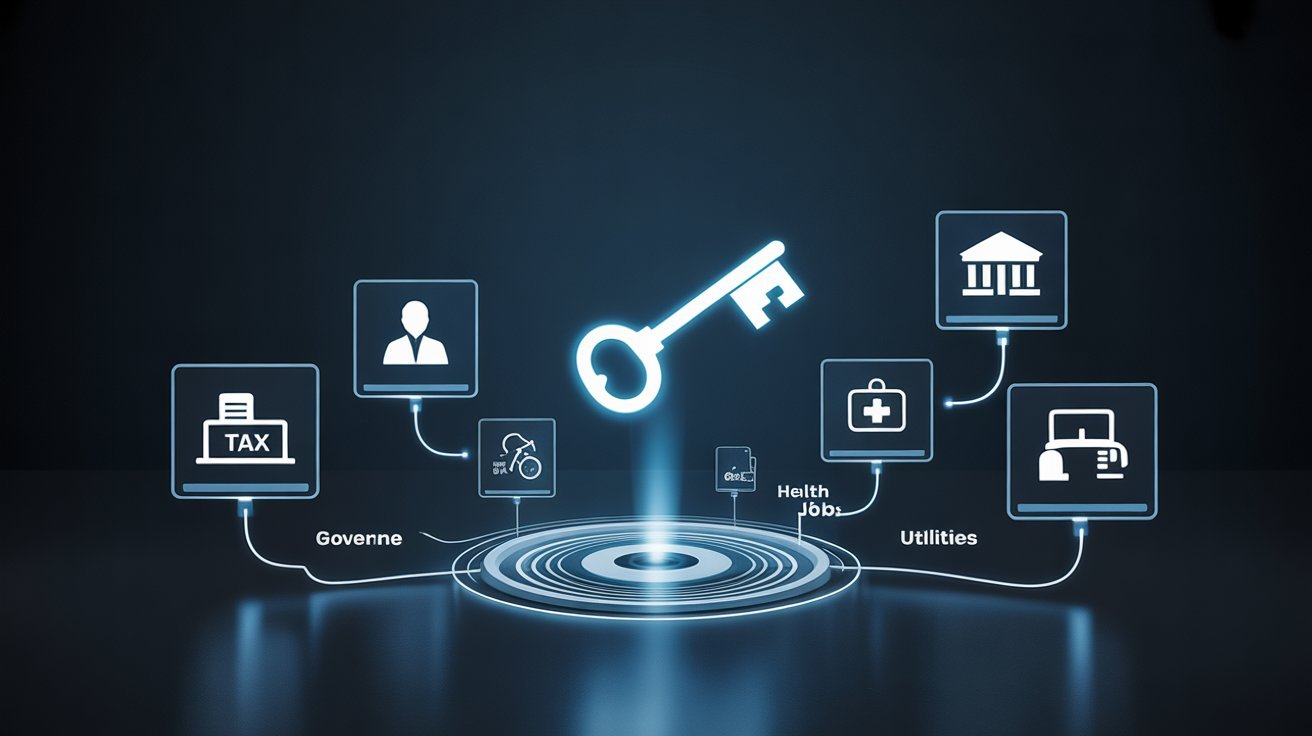

Digital governance has come a long way in the last decade. Governments across the world have shifted from paper-heavy processes to online systems that promise speed, transparency, and convenience. But even today, many users face a frustrating reality: multiple portals, different usernames, endless passwords, and repeated identity verification. It raises a simple question—if everything is digital, why is it still so complicated?
This is exactly where Single Sign-On (SSO) changes the game. Instead of juggling multiple accounts, users can access a wide range of government services with just one identity. The idea may sound simple, but its impact on efficiency, security, and user experience is profound.
The Problem with Multiple Logins in e-Governance
Imagine needing to apply for a government job, check your tax records, pay utility bills, and access a welfare scheme. Now imagine each of these services requiring a separate account. Different passwords. Different login pages. Different recovery processes. It quickly becomes overwhelming.
This fragmented system creates several issues. First, it wastes time. Users often forget credentials and spend more time recovering accounts than actually using services. Second, it increases security risks. When people manage too many passwords, they tend to reuse them or choose weak ones. Third, it discourages digital adoption. If the process feels complicated, many users simply return to offline methods.
Governments recognized this gap early on. The need was not just to digitize services but to simplify access. That is where the concept of a unified identity started gaining attention.
What Makes Single Sign-On Different?
Single Sign-On is not just about convenience; it is about creating a seamless digital ecosystem. With one account, users can move between different services without logging in repeatedly. Once authenticated, the system recognizes the user across platforms.
Think of it as a master key. Instead of carrying a bunch of keys for different doors, you carry one that unlocks everything you need. This approach reduces friction and builds trust in digital systems.
The concept also strengthens backend efficiency. When systems are interconnected, data flows more smoothly between departments. This reduces duplication, minimizes errors, and ensures that services are delivered faster.
In many regions, systems built around sso id login have already shown how effective this model can be. Users can access dozens, sometimes hundreds, of services through a single portal, transforming how they interact with government systems.
Why Users Prefer a Unified Access System
From a user’s perspective, simplicity matters more than anything. No one wants to remember ten different passwords or navigate confusing interfaces. A single login system removes that burden.
But convenience is only one part of the story. There is also a psychological aspect. When users feel that a system is easy to use, they are more likely to trust it. That trust translates into higher engagement and wider adoption of digital services.
There is also the benefit of consistency. A unified system offers a standardized experience across services. Whether you are applying for a certificate or checking application status, the process feels familiar. This consistency reduces learning time and increases efficiency.
Moreover, accessibility improves significantly. People in rural or less digitally literate communities can benefit from a simpler system. Instead of learning multiple platforms, they only need to understand one.
Security: Is One Login Really Safer?
At first glance, putting everything behind a single login might seem risky. What if that one account is compromised? It is a valid concern, but modern SSO systems are designed with advanced security layers.
These systems often include multi-factor authentication, encryption, and real-time monitoring. Instead of relying on weak, user-created passwords across multiple platforms, SSO centralizes security and strengthens it.
Another important factor is reduced attack surface. When there are fewer login points, there are fewer opportunities for breaches. Centralized systems can also detect unusual activity more quickly and respond in real time.
In contrast, multiple login systems often lack consistency in security standards. One platform might be secure, while another may not be. This inconsistency creates vulnerabilities that attackers can exploit.
By integrating robust security protocols, sso id login systems actually enhance overall protection rather than weaken it.
How SSO Improves Government Efficiency
The benefits of SSO are not limited to users. Governments themselves gain significant advantages from adopting a unified system.
One of the biggest improvements is data integration. When different departments share a common authentication system, it becomes easier to exchange information securely. This reduces redundancy and ensures that records are accurate and up to date.
Administrative costs also decrease. Maintaining multiple login systems requires more resources, from development to support. A single system streamlines these operations, saving both time and money.
There is also better accountability. With centralized access, it becomes easier to track user activity and ensure transparency. This is especially important in public service delivery, where trust plays a crucial role.
Additionally, policy implementation becomes more effective. Governments can roll out new services faster because they do not need to build separate authentication systems each time.
The Role of SSO in Future Digital Ecosystems
As digital governance evolves, the need for integration will only grow. Citizens expect services to be connected, responsive, and easy to use. SSO is a key building block in achieving this vision.
Emerging technologies like artificial intelligence and data analytics rely heavily on interconnected systems. Without a unified access framework, it becomes difficult to harness the full potential of these technologies.
SSO also supports scalability. As new services are added, they can be integrated into the existing system without requiring users to create new accounts. This flexibility is essential for long-term growth.
In many ways, SSO is not just a feature—it is a foundation. It enables governments to build smarter, more efficient digital ecosystems that can adapt to changing needs.
Can Multiple Logins Survive in the Long Run?
It is worth asking whether multiple login systems still have a place in modern e-governance. While they may continue to exist in some form, their limitations are becoming increasingly clear.
Users demand simplicity. Governments need efficiency. Security standards are rising. In this environment, fragmented systems struggle to keep up.
Single Sign-On addresses all these challenges in a cohesive way. It aligns with the broader goals of digital transformation and sets the stage for future innovation.
The transition may take time, but the direction is clear. Systems built around sso id login are not just a trend—they represent a shift toward smarter governance.
Conclusion
The evolution of e-governance is not just about putting services online. It is about making them accessible, secure, and user-friendly. Multiple login systems, while functional, fall short of these goals. They create friction, increase risk, and limit adoption.
Single Sign-On offers a better alternative. It simplifies access, strengthens security, and improves efficiency for both users and governments. More importantly, it builds trust in digital systems, which is essential for their success.
As governments continue to innovate, the focus will increasingly shift toward integration and user experience. In that journey, SSO stands out as a critical component. It is not just the future of e-governance—it is the standard that modern digital systems must strive to achieve.